
How to Become a Chef in Australia: Step-by-Step Guide
ASSESS YOUR SKILLS NOW - FREE!!Becoming a chef in Australia can open the door to an exciting career in restaurants, hotels, cafés, catering businesses, and other food service settings. If you enjoy cooking, creating dishes, and working in a busy kitchen, this career may be a good fit for you.
Understanding how to become a chef in Australia starts with learning about the required skills, training options, practical experience, and career pathways. With the right preparation and guidance from Pentagon Consultancy, you can explore suitable qualifications and take the next step towards working in the hospitality industry.
Step 1: Understand the Role of a Chef
Chefs prepare food, plan menus, manage kitchen tasks, maintain food safety, and ensure dishes meet quality standards. Their responsibilities depend on their workplace and level of experience.
A chef may also manage ingredients, control food waste, organise kitchen staff, monitor stock, and help maintain a clean working environment. In many kitchens, a cook focuses on preparing food, while a chef takes on more responsibility for menus, kitchen management, and quality. This is why many people who want to become a chef start as a cook and build their way up.
Working in a professional kitchen can be rewarding, but it also requires teamwork, time management, attention to detail, and the ability to work under pressure.
Step 2: Choose the Right Qualification for Chef Roles
Choosing the right qualification for chef roles is an important part of starting your career. Vocational training can help you develop practical cooking skills and understand professional kitchen procedures.
One common pathway is Certificate III in Commercial Cookery. This qualification focuses on practical cookery skills, food preparation, kitchen operations, food safety, and preparing a range of dishes.
Training generally combines learning activities with practical assessments. The exact course structure, entry requirements, and delivery arrangements depend on the training provider.
If you prefer pastry and desserts, Certificate III in Patisserie is another option to explore.
Before enrolling, check that the course is nationally recognised and suitable for your career goals.
Step 3: Enroll in Commercial Cookery Training
A Cert III in Commercial Cookery can help learners develop the skills required for work in commercial kitchens. Training may cover food preparation, cooking methods, kitchen equipment, hygiene, menu items, and safe food handling.
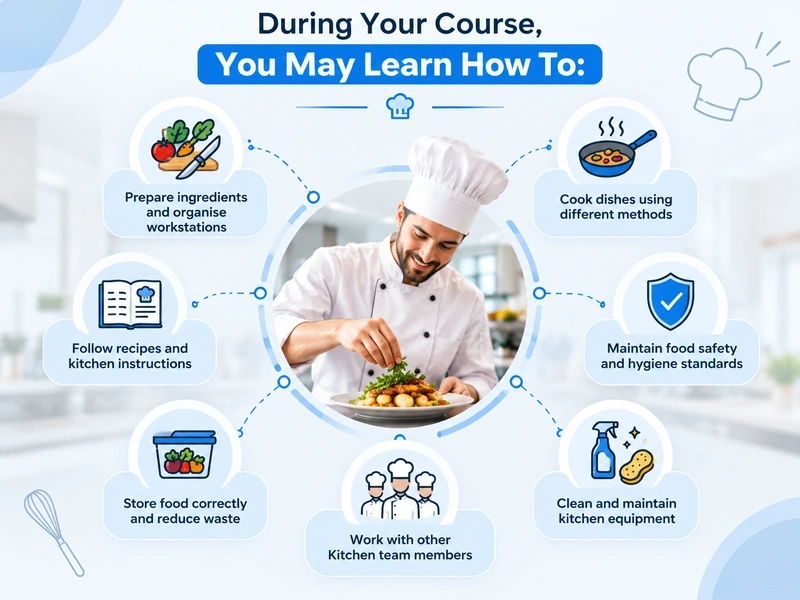
During your course, you may learn how to:
- Prepare ingredients and organise workstations.
- Cook dishes using different methods.
- Follow recipes and kitchen instructions.
- Maintain food safety and hygiene standards.
- Store food correctly and reduce waste.
- Work with other kitchen team members.
- Clean and maintain kitchen equipment.
These skills can help you prepare for entry-level kitchen roles and build a foundation for further career development.
Step 4: Gain Practical Kitchen Experience
Practical experience is valuable because professional kitchens can be fast-paced and demanding. Working in a café, restaurant, hotel, or catering business can help you understand daily kitchen operations.
You may begin in a kitchen hand or assistant role while developing your skills. As your experience grows, you may take on more food preparation and cooking responsibilities. Some people also start through an apprenticeship, where they work and study at the same time.
Some training pathways include workplace-based learning or practical experience. The arrangements depend on the course and provider, so confirm the requirements before enrolling.
Step 5: Develop Essential Chef Skills
Cooking knowledge is only one part of becoming a successful chef. You also need to manage time, follow safety procedures, communicate clearly, and maintain consistent food quality.
Important skills include:
- Cooking skills: Preparing ingredients and cooking dishes correctly.
- Time management: Completing orders within service deadlines.
- Teamwork: Working effectively with kitchen staff.
- Attention to detail: Following recipes and presentation standards.
- Food safety: Handling, storing, and preparing food safely.
- Organisation: Keeping ingredients, equipment, and work areas in order.
Building these skills through training and workplace experience can help you become more confident in a professional kitchen.
Step 6: Explore RPL if You Have Experience
If you have already worked in kitchens or gained cookery skills through employment, Recognition of Prior Learning (RPL) may be worth exploring.
RPL assesses your existing skills and knowledge against the requirements of a qualification. You may need to provide evidence such as employment references, work records, previous training certificates, and other relevant documents.
An assessor reviews your evidence and may require additional questions or practical assessments. If you have skill gaps, further training may be necessary.
Pentagon Consultancy can help you understand RPL options and identify the documentation you may need. RPL does not guarantee a qualification; you must meet the required competency standards.
Step 7: Understand the Time and Career Pathway
The time needed to qualify as a chef depends on your chosen course, training arrangements, practical experience, and previous skills. Some people enter through structured training, while experienced workers may be eligible to have relevant skills assessed through RPL.
When researching how to become a chef in Australia, remember that completing a qualification is one part of building your career. Continued workplace learning can help you improve your cooking, kitchen management, and leadership abilities.
With experience, you may progress from an entry-level kitchen position to a cook, chef de partie, sous chef, or head chef. Career progression depends on your skills, performance, workplace opportunities, and further training, such as a Certificate IV in Kitchen Management.
Career Opportunities After Chef Training
Completing Certificate III in Commercial Cookery can help prepare you for a range of hospitality roles, depending on your experience and employer requirements.
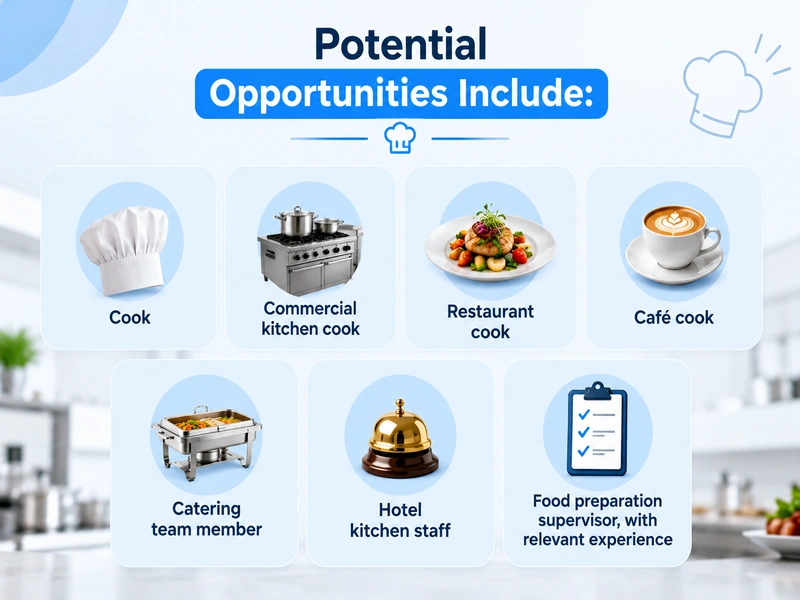
Potential opportunities include:
- Cook
- Commercial kitchen cook
- Restaurant cook
- Café cook
- Catering team member
- Hotel kitchen staff
- Food preparation supervisor, with relevant experience
Some chefs later move into kitchen management, catering operations, menu development, or their own food businesses. Additional qualifications and experience may be useful for these pathways.
How Pentagon Consultancy Can Help?
Choosing a training pathway can feel confusing when you are comparing qualifications, course requirements, and RPL options. Pentagon Consultancy can help you understand suitable vocational education pathways based on your experience and career goals.
The team can provide guidance about course options, eligibility, documentation, and the RPL process. If you have previous cookery experience, you can also discuss whether an assessment of your existing skills may be appropriate.
If you are exploring this career, contact Pentagon Consultancy can help you understand the next steps before you apply.
Start Your Chef Career Journey
Understanding how to become a chef in Australia can help you make informed decisions about training and career development. Choose a suitable qualification, build practical skills, and explore RPL if you already have relevant experience.
Frequently Asked Questions
A relevant cookery qualification, such as Certificate III in Commercial Cookery, is a common pathway. Requirements depend on the role, employer, and training pathway you choose.
The timeframe depends on your course, training schedule, practical experience, and previous skills. Ask your training provider about the expected duration.
Yes, you can begin training without previous professional kitchen experience if you meet the course entry requirements. Practical training and workplace experience can help you develop your skills.
Certificate III in Commercial Cookery is a common starting point for people who want to develop professional cookery skills. Check the course content and entry requirements before enrolling.
It can provide a foundation for cookery roles. Your job title and career progression will also depend on practical experience, workplace responsibilities, and employer expectations.
Yes, RPL may be an option if you already have relevant skills and experience. You must provide evidence and meet the qualification’s competency requirements.
Chefs need cooking skills, food safety knowledge, teamwork, time management, organisation, attention to detail, and the ability to work in a busy kitchen.
Some training pathways may not require a traditional apprenticeship. Requirements depend on the qualification, provider, and employment pathway you choose.
You may pursue roles such as cook, restaurant cook, café cook, catering team member, or other commercial kitchen positions. Further experience can support progression into senior kitchen roles.
Yes, relevant overseas experience may support an RPL application. However, your skills and evidence must be assessed against the Australian qualification requirements, and further training may be needed.