
How to Become a Disability Support Worker in Australia?
ASSESS YOUR SKILLS NOW - FREE!!The disability support sector is one of the fastest-growing industries in Australia. As demand for qualified support workers continues to increase, many people are exploring how to become a disability support worker and build a rewarding career helping others live more independent lives.
Whether you're changing careers, entering the workforce, or already working in community services, becoming a disability support worker offers excellent job stability and meaningful work. With the right training and qualifications, you can work with people of all ages who require daily living support, personal care, and community participation.
At Pentagon Consultancy, we help students and experienced workers find the right training pathway, including Recognition of Prior Learning (RPL), to achieve nationally recognised qualifications.
What Does a Disability Support Worker Do?
A disability support worker provides practical and emotional support to people living with physical, intellectual, sensory, or psychosocial disabilities. Their goal is to help participants live as independently as possible while improving their quality of life.
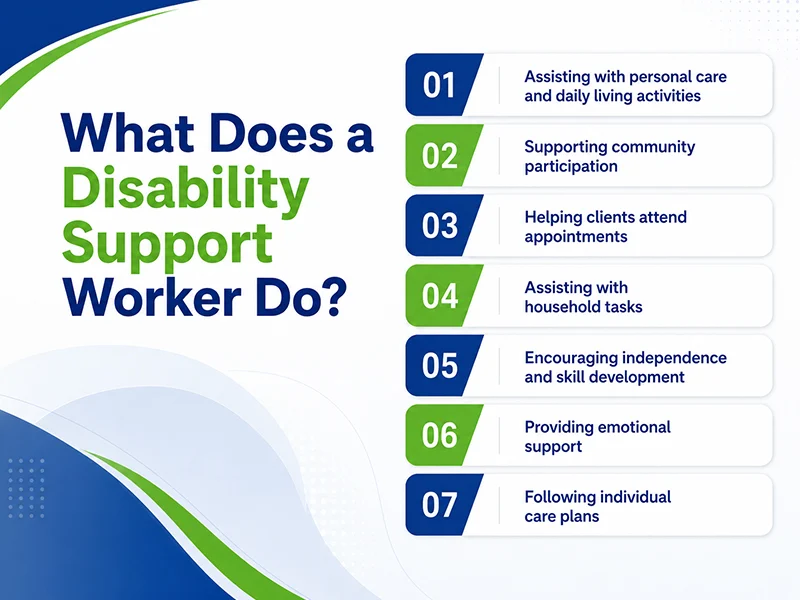
Typical responsibilities include:
- Assisting with personal care and daily living activities
- Supporting community participation
- Helping clients attend appointments
- Assisting with household tasks
- Encouraging independence and skill development
- Providing emotional support
- Following individual care plans
How to Become a Disability Support Worker?
If you're wondering how to become a disability support worker, the process is straightforward when you follow the right pathway.
Complete a Relevant Qualification
Most employers prefer candidates who have completed a recognised qualification. One of the most popular choices is the Certificate IV in Disability Support, which provides practical skills and industry knowledge needed to work confidently in disability services.
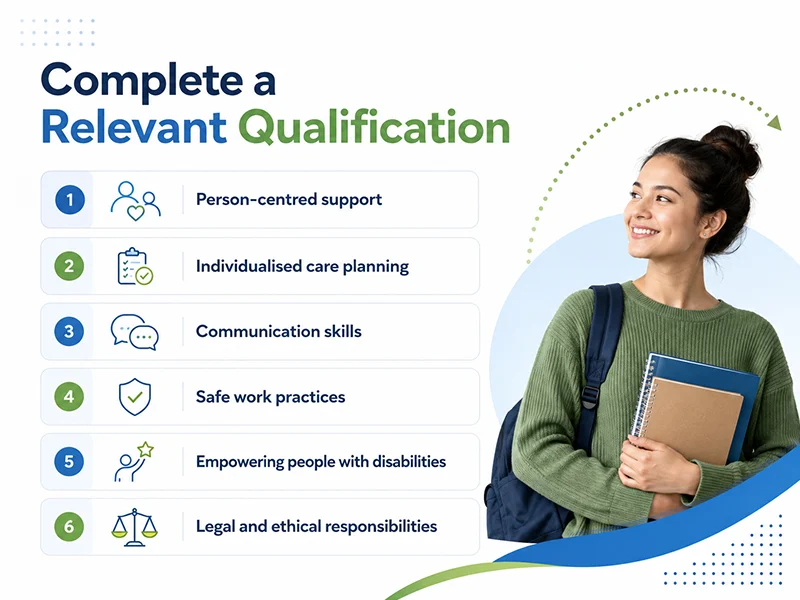
The qualification covers topics such as:
- Person-centred support
- Individualised care planning
- Communication skills
- Safe work practices
- Empowering people with disabilities
- Legal and ethical responsibilities
Many employers highly value applicants who hold a Disability Support Certificate IV because it demonstrates both practical skills and professional knowledge.
Gain Practical Experience
Practical placement is an important part of becoming job-ready. Students gain valuable hands-on experience working with people living with disabilities under professional supervision.
This workplace learning helps build confidence while preparing you for real-world situations.
Meet Employment Requirements
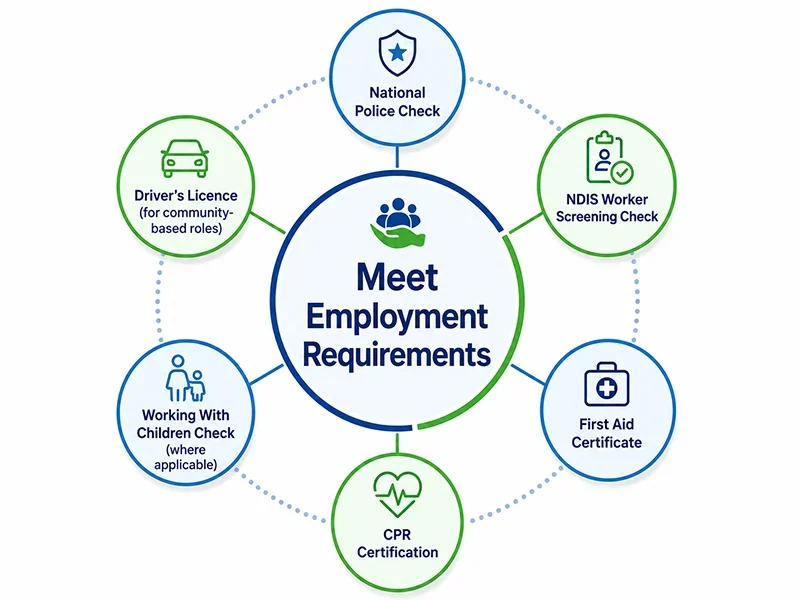
Many employers also require:
- National Police Check
- NDIS Worker Screening Check
- First Aid Certificate
- CPR Certification
- Working With Children Check(where applicable)
- Driver's Licence(for community-based roles)
These requirements may vary depending on your employer and state.
Why Choose Certificate IV in Disability Support?
The Disability Support Certificate IV is one of Australia's most respected qualifications for disability support professionals.
Compared to entry-level courses, this qualification develops more advanced skills, allowing workers to provide person-centred care and support individuals with more complex needs.
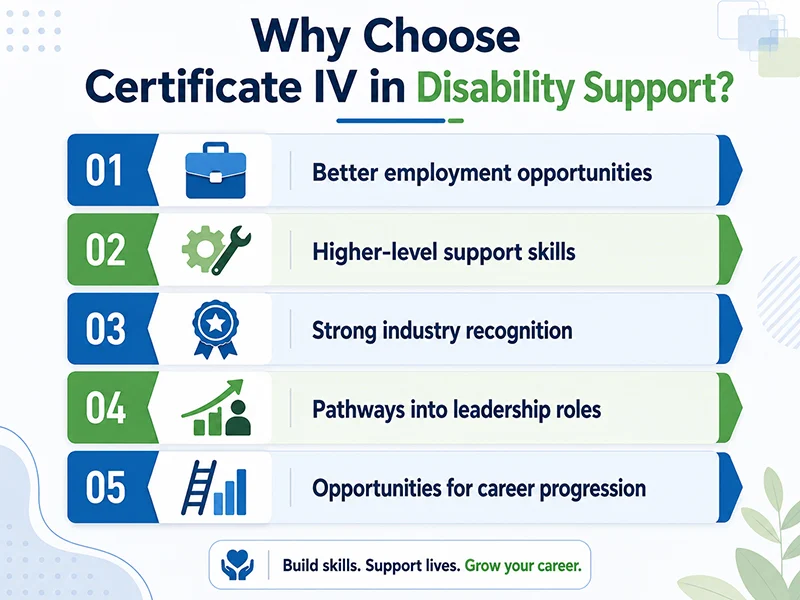
Benefits include:
- Better employment opportunities
- Higher-level support skills
- Strong industry recognition
- Pathways into leadership roles
- Opportunities for career progression
Completing a cert IV in disability support also prepares you for long-term growth within the disability and community services sectors.
Can You Become a Support Worker Through RPL?
If you've already been working in disability care, aged care, community services, or healthcare, you may not need to complete the full course.
Recognition of Prior Learning (RPL) allows experienced workers to receive formal recognition for the skills they have already developed on the job.
This option is particularly valuable for anyone who wants to become a support worker without repeating training they already know.
Pentagon Consultancy specialises in helping experienced workers complete the RPL process quickly and efficiently.
How to Become a Support Worker in Australia Through Pentagon Consultancy
Many people ask how to become a support worker in Australia without feeling overwhelmed by different training options.
At Pentagon Consultancy, we simplify the process by providing personalised guidance from start to finish.
Our services include:
- Eligibility assessments
- RPL advice
- Evidence collection support
- Training pathway guidance
- Choosing the right Registered Training Provider
- Application assistance
- Ongoing student support
Whether you're new to the industry or already have years of experience, we help you find the most suitable pathway.
Career Opportunities After Qualification
Qualified disability support workers enjoy a wide range of employment opportunities across Australia.
Possible workplaces include:
- NDIS Providers
- Community Organisations
- Residential Care Facilities
- Group Homes
- Aged Care Services
- Hospitals
- Rehabilitation Centres
- Home Care Services
With experience, professionals may also move into supervisory or team leader positions.

Skills Every Disability Support Worker Should Have
Success in disability support depends on more than technical knowledge. Employers also value strong personal qualities.
Important skills include:
- Compassion
- Patience
- Communication
- Problem-solving
- Teamwork
- Time Management
- Adaptability
- Respect for Individual Choices
These skills are developed throughout the certificate IV in disability support while also improving through workplace experience.
Why Choose Pentagon Consultancy?
Choosing the right training partner makes your journey much easier.
At Pentagon Consultancy, we help students and experienced professionals achieve nationally recognised qualifications through trusted training pathways.
Our experienced team offers:
- Individual career advice
- RPL assessments
- Documentation support
- Guidance for the Disability Support Certificate IV
- Help selecting registered training organisations
- Ongoing support throughout your qualification
If you're exploring how to become a support worker in Australia, Pentagon Consultancy can guide you every step of the way and help you achieve your career goals with confidence.
Why Disability Support Is a Growing Career
Australia's ageing population and expanding NDIS have created strong demand for qualified support workers.Thousands of new roles continue to become available each year across public, private, and not-for-profit organisations.
For anyone considering how to become a disability support worker, this means excellent job security and opportunities for career advancement.
Many workers also appreciate the flexibility of choosing casual, part-time, full-time, or shift-based employment.
Start Your Disability Support Career Today
Learning how to become a disability support worker is the first step towards a meaningful and stable career.With growing demand, flexible employment options, and opportunities to make a real difference in people's lives, disability support is an excellent career choice.
Whether you're beginning your journey or already have industry experience, completing a Certificate IV in Disability Support or applying through RPL can help you gain the nationally recognised qualification employers value.
Contact Pentagon Consultancy today to explore your study options, check your RPL eligibility, and take the next step towards a successful career in disability support.
FAQ
Complete a recognised qualification such as the Disability Support Certificate IV, gain practical experience, and meet employer requirements like police and NDIS checks.
Most employers prefer candidates with a cert IV in disability support or another nationally recognised disability support qualification.
Yes. Many people enter the industry through training courses that include practical placement to build workplace experience.
The qualification typically takes 6 to 12 months, depending on the training provider and study mode. RPL may reduce the time for experienced workers.
Salaries vary by location, employer, and experience. Qualified disability support workers generally earn competitive wages with opportunities for overtime and shift allowances.
Yes. The industry offers strong job demand, career stability, flexible work options, and the opportunity to make a positive impact on people's lives.
Key skills include communication, empathy, patience, teamwork, problem-solving, adaptability, and a commitment to person-centred care.
Yes. International students who meet visa conditions, complete an approved qualification, and satisfy employer requirements may work in the disability support sector.
Yes. If you have relevant industry experience, you may be eligible to obtain the Disability Support Certificate IV through Recognition of Prior Learning (RPL).
Graduates can work as disability support workers, community support workers, residential care workers, NDIS support workers, team leaders, or progress into other community services and healthcare roles.