
How to Become a Hairdresser in Australia?
ASSESS YOUR SKILLS NOW - FREE!!Hairdressing is more than cutting and styling hair. It is a creative profession that allows you to help people look and feel their best while building a rewarding career. Whether you dream of working in a busy salon, becoming a freelance stylist, or owning your own business, there are many opportunities available across Australia.
If you're wondering how to become a hairdresser in Australia, the good news is that there are several pathways to enter the industry. With the right qualification, practical training, and guidance, you can develop the skills employers are looking for.
At Pentagon Consultancy, we help students and experienced professionals find the right training pathway, including Recognition of Prior Learning (RPL), to achieve nationally recognised qualifications and advance their careers.
Why Choose Hairdressing as a Career?
The Australian hair and beauty industry continues to grow, creating strong demand for qualified hairdressers. Every day, salons welcome clients looking for haircuts, colouring, styling, treatments, and professional advice.

Hairdressing offers several benefits, including:
- A creative and hands-on work environment
- Opportunities to meet new people every day
- Flexible employment options
- Career progression into management or business ownership
- Stable demand for qualified professionals
For anyone researching how to become a hairdresser in Australia, this career combines creativity with practical skills that can lead to long-term success.
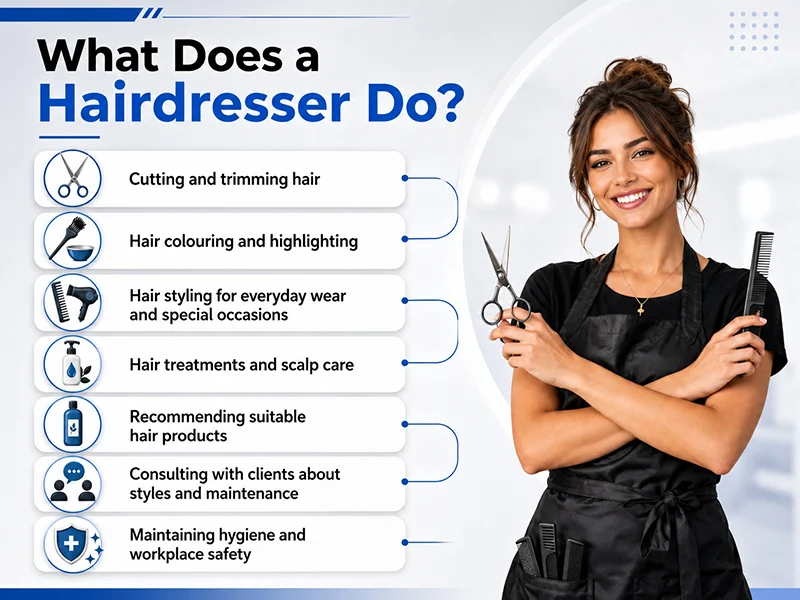
What Does a Hairdresser Do?
Hairdressers provide a wide range of services that help clients maintain healthy, stylish hair. Their work goes beyond simply cutting hair.
Typical responsibilities include:
- Cutting and trimming hair
- Hair colouring and highlighting
- Hair styling for everyday wear and special occasions
- Hair treatments and scalp care
- Recommending suitable hair products
- Consulting with clients about styles and maintenance
- Maintaining hygiene and workplace safety
As your experience grows, you can specialise in colouring, bridal styling, barbering, or salon management.
How to Become a Hairdresser?
If you're asking how to become a hairdresser, following a structured pathway can help you enter the industry with confidence.
Complete a Nationally Recognised Qualification
The first step is completing the certificate iii in hairdressing , which is considered the industry-standard qualification for aspiring hairdressers in Australia.
This course teaches essential skills such as:
- Hair cutting
- Hair colouring
- Chemical treatments
- Hair styling
- Client consultation
- Workplace health and safety
- Salon operations
Completing the cert iii in hairdressing helps prepare you for employment in professional salons across Australia.
Gain Practical Experience
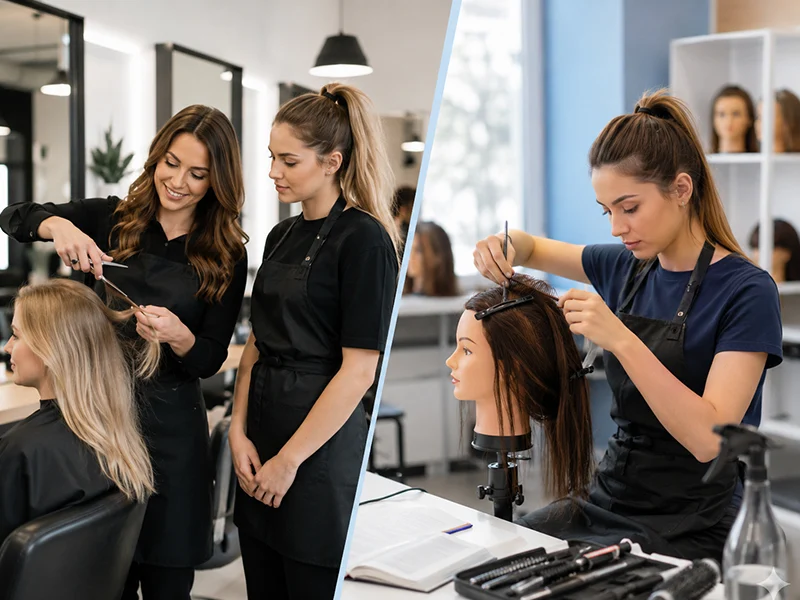
Practical training plays an important role in developing your confidence and technical skills.
During your studies, you'll work with real clients under supervision, allowing you to apply what you've learned in a salon environment.
Hands-on experience also helps employers see that you're ready for the workplace.
Continue Learning New Techniques
Hair trends constantly change. Successful professionals continue learning new cutting techniques, colouring methods, styling trends, and product knowledge throughout their careers.
Staying updated helps you attract more clients and remain competitive in the industry.
Apprenticeship or Alternative Study Pathway?
Many students complete their qualification through an apprenticeship, combining paid employment with formal training.
However, apprenticeships aren't the only option. Depending on your circumstances, you may also choose flexible training pathways that allow you to complete your qualification while gaining practical experience.
If you're wondering how do you become a hairdresser without following the traditional apprenticeship route, Pentagon Consultancy can help you explore alternative study options that suit your goals.
Can You Get Qualified Through RPL?
If you've already been working in a salon or have extensive hairdressing experience, Recognition of Prior Learning (RPL) may allow you to gain a formal qualification without repeating skills you already have.
Pentagon Consultancy assists experienced hairdressers with the RPL process by helping them prepare the required evidence, including:
- Employment references
- Work portfolios
- Client records
- Photographs of completed work
- Previous training certificates
For experienced professionals, RPL can be a faster pathway to achieving the cert iii in hairdressing qualification.
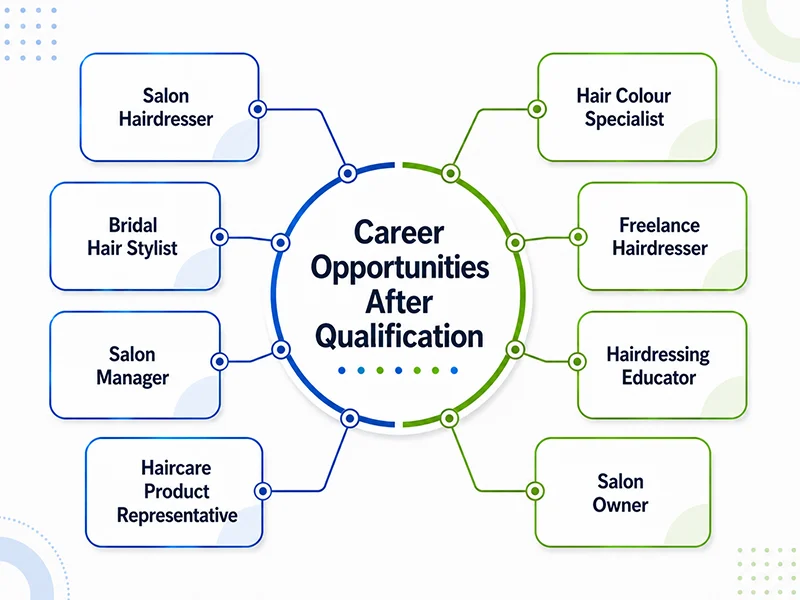
Career Opportunities After Qualification
Hairdressing offers a wide range of exciting career paths.
After completing your qualification, you may work as:
- Salon Hairdresser
- Hair Colour Specialist
- Bridal Hair Stylist
- Freelance Hairdresser
- Salon Manager
- Haircare Product Representative
- Hairdressing Educator
- Salon Owner
Many qualified professionals eventually establish their own salons or specialise in fashion, television, weddings, or editorial styling.
If you're researching how do you become a hairdresser, it's worth knowing that the qualification can lead to many different career directions.
Skills Every Hairdresser Should Develop
Technical skills are important, but successful hairdressers also rely on strong personal qualities.
Essential skills include:
- Creativity
- Communication
- Attention to detail
- Customer service
- Time management
- Teamwork
- Problem-solving
- Professional presentation
These skills improve through practical training and everyday salon experience.
Why Choose Pentagon Consultancy?
Choosing the right training pathway is one of the most important decisions in your career journey.
Pentagon Consultancy provides expert guidance for students and experienced professionals looking to gain nationally recognised qualifications.
Our team assists with:
- Course selection
- Eligibility assessments
- RPL guidance
- Evidence preparation
- Choosing registered training providers
- Application support
- Ongoing career advice
Whether you're starting your career or already have industry experience, Pentagon Consultancy helps make the qualification process simple and stress-free.
Build Your Future in Hairdressing
Learning how to become a hairdresser is the first step toward an exciting and creative profession. With growing demand across Australia's beauty industry, qualified hairdressers continue to enjoy strong employment opportunities and flexible career pathways.
Whether you choose traditional study, an apprenticeship, or Recognition of Prior Learning, earning the certificate iii in hairdressing provides the skills and confidence needed to succeed.
If you're ready to begin your journey, contact Pentagon Consultancy today. We'll help you explore training options, assess your eligibility, and find the best pathway to achieve your hairdressing qualification.
FAQ
Complete a nationally recognised Cert III in Hairdressing, gain practical experience, and apply for hairdressing positions in salons or related businesses.
The most common qualification is the Cert III in Hairdressing, which provides the practical skills and knowledge required for the industry.
It typically takes around three years through an apprenticeship, although alternative training pathways or RPL may reduce the timeframe.
Yes. Some registered training providers offer alternative study pathways that combine practical training with formal education.
Earnings vary based on experience, location, and employer. Experienced hairdressers, salon managers, and business owners often earn higher incomes.
Yes. Hairdressing offers strong job demand, creative work, career flexibility, and opportunities to specialise or start your own business.
Successful hairdressers need creativity, communication skills, attention to detail, customer service, time management, and a willingness to keep learning.
Yes. International students can complete approved training programs and may work in the industry if they meet visa and employment requirements.
Yes. Experienced hairdressers may qualify for Recognition of Prior Learning (RPL) by providing evidence of their industry skills and experience.
Graduates can work as salon hairdressers, freelance stylists, bridal hair specialists, salon managers, educators, product representatives, or business owners.