
How to Become an Electrician in Australia: Requirements & Pathway
ASSESS YOUR SKILLS NOW - FREE!!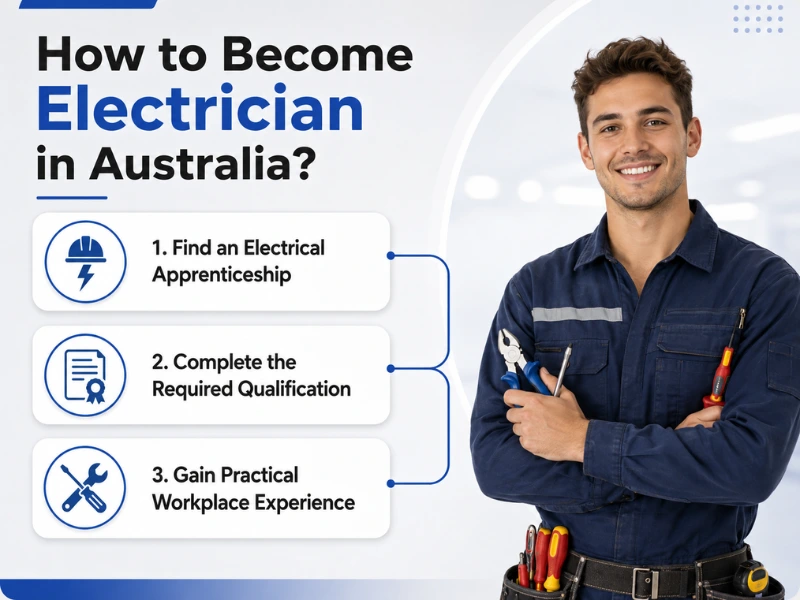
Becoming an electrician is one of the most stable and rewarding trade careers in Australia. Electricians are in demand across homes, businesses, construction sites, factories, and mining projects — and the industry continues to grow every year.
If you enjoy hands-on work, solving problems, and working with electrical systems, this guide will walk you through exactly how to become an electrician in Australia, including training requirements, apprenticeships, licensing, and alternative pathways for experienced workers.
What Does an Electrician Do?
Before learning how to become electrician in Australia, it helps to understand the daily responsibilities of an electrician. Electricians install, maintain, test, repair, and replace electrical wiring and equipment. They may work on lighting systems, power points, switchboards, appliances, electrical machinery, and other systems.
If you are wondering what does the electrician do on a typical workday, the answer can vary depending on their specialisation. Some electricians work on residential buildings, while others focus on commercial, industrial, construction, maintenance, or specialised electrical projects.
Find an Electrical Apprenticeship
The pathway to how to become electrician in Australia generally starts with an electrical apprenticeship. An apprenticeship combines paid workplace training with formal study through a registered training organisation (RTO).
Here are the main steps involved:
Find an Electrical Apprenticeship
The first major step is finding an employer willing to take you on as an electrical apprentice. You will work under the supervision of qualified electricians while developing practical skills.
During your apprenticeship, you learn how electrical work is completed safely and according to Australian requirements. Your employer provides workplace experience while your training provider delivers the formal education.
Complete the Required Qualification
One of the key qualifications for aspiring electricians is certificate III in electrotechnology electrician. This qualification develops the technical knowledge and practical skills required for electrical work.
Students learn about electrical circuits, wiring, installation, testing, fault finding, workplace safety, electrical regulations, and other important areas.
The certificate III is normally completed as part of an apprenticeship and is an important part of the pathway towards electrical licensing.
Gain Practical Workplace Experience
Electrical work requires strong practical skills, so workplace experience is an essential part of your training. Apprentices work on real projects under appropriate supervision.
You may gain experience with residential wiring, commercial installations, electrical maintenance, testing equipment, fault finding, switchboards, and other electrical systems.
Practical experience helps you build confidence and understand how the knowledge from your training applies to real situations.
How Long Does It Take to Become an Electrician?
The traditional apprenticeship pathway generally takes around four years when completed full-time.
The exact timeframe can vary depending on your training progress, employer, state or territory requirements, and previous experience.
If you already have substantial electrical industry experience, you may have another pathway available. Recognition of Prior Learning (RPL) can assess your existing skills against qualification requirements.
Can You Become an Electrician Through RPL?
Yes — if you've already worked in an electrical role, either in Australia or overseas, RPL allows your existing skills and experience to be formally assessed against the Certificate III requirements. This can significantly shorten the time it takes to gain your qualification.
However, it's important to understand: RPL does not automatically grant you an electrical licence. Your qualification and licensing must still be assessed separately, according to the specific rules of the state or territory you plan to work in.
RPL is particularly useful for:
- Tradespeople with overseas electrical qualifications or experience
- Workers who've been doing electrical work in Australia without formal certification
- Career-changers with transferable technical experience
At Pentagon Consultancy, we help experienced tradespeople understand their RPL eligibility, the evidence required, and which registered training providers can assess their skills.
Can You Study Electrical Training Online?
Partially. Some theory components of the Certificate III in Electrotechnology Electrician can be studied online or through flexible learning, depending on your RTO. However, because this is a hands-on trade, a fully online pathway isn't realistic — practical training and supervised workplace experience are still required.
If you're considering a Certificate III in Electrotechnology Electrician online option, make sure:
- The provider is a properly registered RTO
- The course meets the requirements for your intended licensing pathway in your state
- Practical placements are arranged through approved employers or training facilities
Electrical Licensing Requirements in Australia
Completing your qualification is an important step, but it does not automatically mean you can perform electrical work independently. Electrical licensing is regulated by individual states and territories.
Licensing requirements can include:
- Completing the required electrical qualification
- Completing an approved apprenticeship
- Meeting practical experience requirements
- Passing required assessments
- Applying to the relevant licensing authority
- Meeting safety and compliance requirements
Because rules differ across Australia, always check the requirements of the state or territory where you intend to work.
What Skills Do You Need?
Electrical work requires both technical knowledge and practical abilities. Good electricians need attention to detail because even small mistakes can create serious safety risks.
Important skills include:
- Problem-solving
- Basic mathematics
- Communication
- Technical understanding
- Attention to detail
- Safe work practices
- Physical fitness
- Time management
- Ability to read electrical plans
You also need a strong commitment to workplace safety and the ability to follow electrical standards and procedures.
Career Opportunities for Electricians
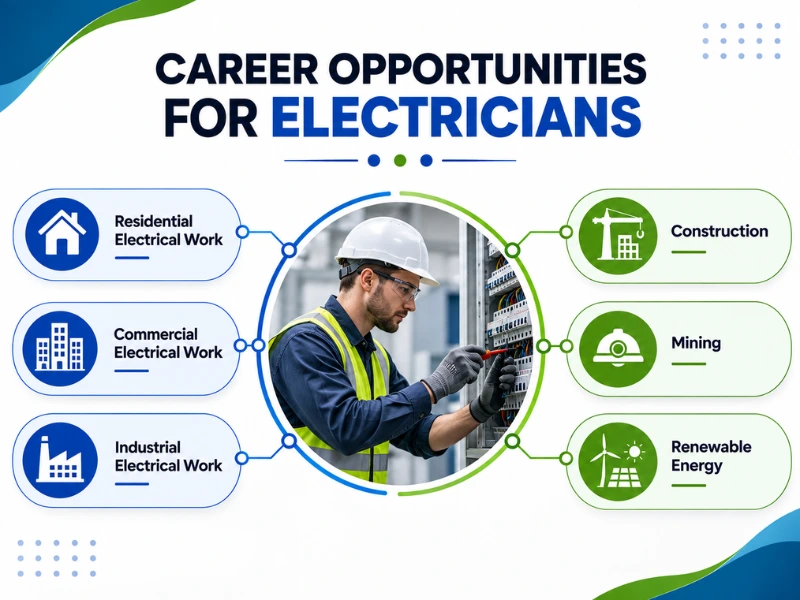
Once you complete the required training and licensing pathway, you can explore many areas of the electrical industry. Residential electricians work in homes, while commercial electricians work on offices, shops, factories, and larger buildings.
Other career areas include industrial electrical work, maintenance, construction, mining, renewable energy, automation, and electrical equipment installation.
With experience, you may progress into senior positions, supervision, project coordination, or eventually operate your own electrical contracting business.
How Much Does Training Cost?
The cost of becoming an electrician varies depending on your training provider, apprenticeship arrangements, location, government support, and individual circumstances.
If you already have relevant experience and qualify for RPL, the overall training pathway may be different from that of a new apprentice. You should compare course fees and understand exactly what is included before enrolling.
Pentagon Consultancy can help experienced workers understand available qualification and RPL pathways and connect them with suitable training providers.
Start Your Electrical Career
If you are serious about how to become electrician in Australia, planning your pathway carefully can save time and help you meet the right training and licensing requirements.
Whether you are starting an apprenticeship or have years of existing electrical experience, the right qualification and practical evidence are important. If you are asking how to become electrician in Australia, speak with an experienced training consultant to understand your options before choosing a pathway.
FAQs
Most frequent questions and answers